Business
How to Hire the Right HVAC Technicians
Practical steps for hiring skilled HVAC technicians for your business.
 HvacPilot4 min read
In this article
Understanding Your Needs
Before hiring, understand your business needs. Are you looking for technicians for residential, commercial, or both types of HVAC systems? Consider the scope of work, including installations, repairs, and maintenance. This will help define the skills and experience levels required. For instance, if your business primarily services commercial buildings, you might need technicians with experience in complex HVAC systems and the ability to work with larger equipment.
Crafting a Clear Job Description
A detailed job description is essential. Highlight the specific skills and certifications needed, such as EPA certification for handling refrigerants. Include the types of systems they will work on, like heating, ventilation, air conditioning, and refrigeration. Clearly state the experience level required,whether you need an entry-level technician or someone with 5+ years of experience. Additionally, specify any physical requirements, such as the ability to lift heavy equipment or work in confined spaces, to ensure candidates are fully aware of job expectations.
Example
"We are seeking an experienced HVAC technician to join our team. Must have at least 3 years of experience in installing and servicing residential HVAC systems. EPA certification required. Competitive hourly rate starting at $25/hour. Must be able to lift up to 50 pounds and work in various weather conditions."
Sourcing Candidates
Post your job descriptions on platforms like Indeed, LinkedIn, and trade-specific job boards. Networking within industry groups or local trade schools can also be fruitful. Consider offering a referral bonus to current employees who recommend a successful hire. A referral bonus could be $500, payable after the new hire completes 90 days of employment. This encourages your team to help find reliable candidates.
Screening and Interviewing
Once applications come in, screen candidates for the necessary qualifications and experience. During interviews, ask about specific past projects and how they handled challenges. Technical questions can help assess their problem-solving skills and technical knowledge.
Example Questions
- How do you troubleshoot a system that is not cooling properly?
- Can you explain the steps you take to ensure a system is installed correctly?
- Describe a challenging repair job you completed and how you overcame obstacles.
These questions help determine a candidate’s technical expertise and ability to handle real-world situations.
Evaluating Soft Skills
Technical skills are vital, but don't overlook soft skills. Look for candidates who demonstrate good communication, reliability, and a strong work ethic. These traits are crucial for dealing with clients and ensuring customer satisfaction. For instance, a technician who can clearly explain issues and options to customers can improve your company’s reputation and increase client trust.
Checking References and Background
Verify the candidate's employment history and certifications. Contact their previous employers to get insights into their work ethic and reliability. A background check can also be a good idea to ensure safety and trustworthiness. For example, you might ask a previous employer, "Can you describe a time when the candidate went above and beyond in their role?" This can provide insight into their commitment and reliability.
Offering Competitive Compensation
Research local salary benchmarks to ensure your offer is competitive. Consider offering benefits like health insurance, paid time off, and opportunities for further training and certification. For example, offering a starting salary of $50,000 per year with benefits can attract more experienced candidates. Additionally, you might offer a $1,000 sign-on bonus to entice candidates to join your team.
Onboarding and Training
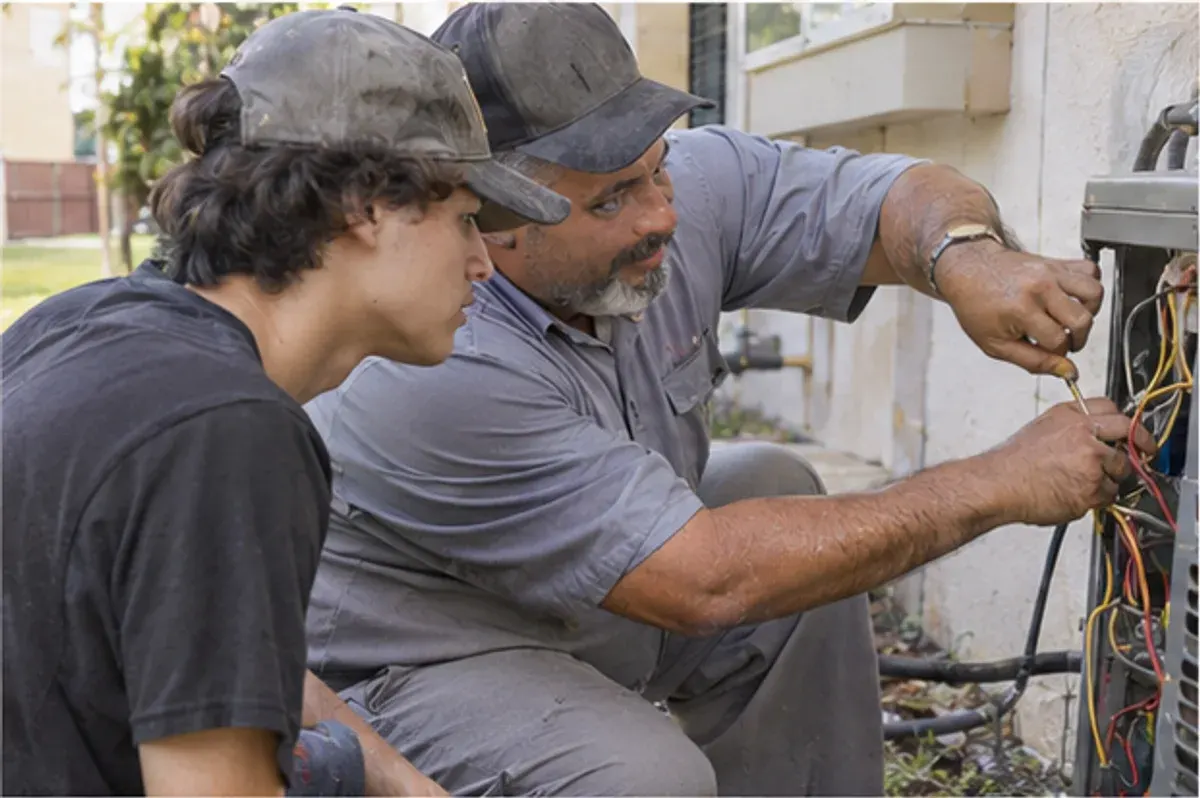
Once hired, ensure a smooth onboarding process. Provide training on your company's systems and protocols. Regular training sessions can help them stay updated with the latest HVAC technologies and techniques. Consider pairing new hires with experienced technicians for a mentorship period, which can help them learn the ropes and integrate into your team more effectively.
Retention Strategies
To keep your technicians satisfied and reduce turnover, foster a positive work environment. Recognize their achievements and provide opportunities for advancement. Regular feedback and open communication can also help address any concerns early on. For example, implement a quarterly review system where technicians can discuss their career goals and receive constructive feedback, helping them feel valued and understood.
Utilizing Technology for Efficiency
Consider using technology to streamline operations and improve efficiency. For instance, implementing a customer relationship management (CRM) system can help manage incoming leads and customer inquiries, freeing up your team to focus on providing quality service. Utilize scheduling software to optimize technician routes, reducing travel time and increasing productivity.
Conclusion
Hiring the right HVAC technicians is critical for the success of your business. By understanding your needs, crafting clear job descriptions, and evaluating both technical and soft skills, you can build a team that will help your business thrive. A well-thought-out hiring process not only brings in skilled technicians but also enhances your company's reputation and service quality.
Frequently asked questions
What certifications should HVAC technicians have?
HVAC technicians should have EPA certification for handling refrigerants. Additional certifications like NATE can be beneficial.
How can I ensure my job offer is competitive?
Research local salary benchmarks and consider offering benefits like health insurance, paid time off, and training opportunities.